

Listen, I see it every weekend on the senior courts. Two guys, both 72 years old. One moves like he's 55, covers the alleys, and wins sets.
Blog
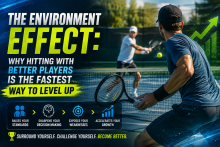
Listen, I've coached hundreds of players. And I'll tell you the #1 myth that keeps people stuck at 3.5 forever: "I just need more willpower to practice harder."
Wrong.

Listen up. That study is eye-opening for the general public, but for a tennis player? It’s a direct warning about your first step.

Yes. A 60% tennis / 40% pickleball split can work very well, especially if tennis remains your primary sport.
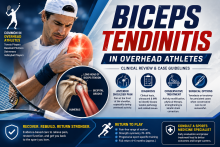
Clinical Review for Tennis Players, Baseball Pitchers, Swimmers and Other Overhead Athletes

The National Bank Open (WTA 1000) in Toronto delivered another day filled with dramatic comebacks, dominant performances, and statement victories from some of the world's biggest stars.
Research has shown that when sleep is restricted, the body's metabolic function shifts significantly.
A new study suggests that spending just 20 minutes in nature may significantly lower stress hormone levels. Whether it's a local park, forest trail, or quiet green space, time outdoors helps your mind and body recover from daily demands.
That sense of calm after a cigarette is not stress relief. It is your brain recovering from nicotine withdrawal. Nicotine hits fast and triggers a quick dopamine spike, but as it wears off, irritability, anxiety, and restlessness creep back in.
Your brain was never designed to be "on" every second. Yet even when you are lying down doing nothing, it remains incredibly active.