THE COMEBACK IS REAL
After two and a half months without a win, Giovanni Mpetshi Perricard returns in style at the Italian Open
He defeats Jacob Fearnley 7-6, 4-6, 6-2 to secure his first-ever Rome Masters victory
Next up: Lorenzo Musetti
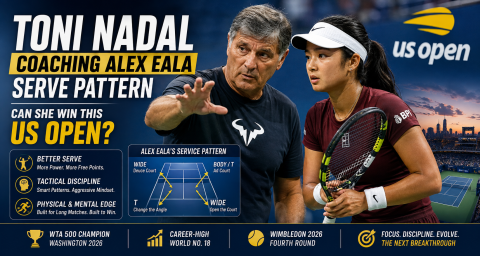
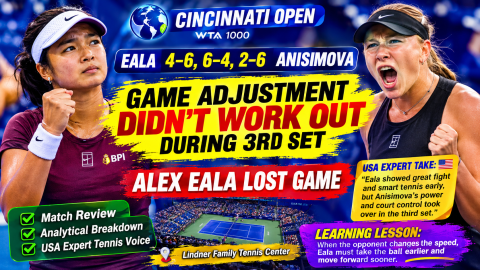
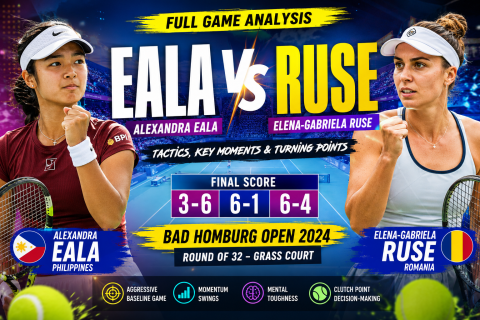
The rise of Alex Eala continues to attract attention across the international tennis world. Every tournament now feels increasingly important because fans, analysts, and coaches are watching her development closely. What once appeared to be a talented junior project is now becoming a serious professional movement toward elite women’s tennis.
Filipina makes another history record again . The crowd in Rome witnessed something special. At the prestigious Italian Open WTA 1000, young Filipino tennis sensation Alex Eala showed not only talent, but maturity, tactical intelligence, emotional control, and elite-level adjustment under pressure.
Against Magdalena Fręch, Alex faced a difficult battle that tested every aspect of her game. The scoreboard only tells part of the story. What made this victory exciting was the way Alex adapted during the match — especially in the decisive third set.
There are moments in tennis that transcend the scoreboard. Moments that remind us that beyond rankings, trophies, and rivalries, the sport is built on respect, shared struggle, and a deep understanding between those who live the same demanding life.
The embrace between Jannik Sinner and Matteo Berrettini captures exactly that. Not just two competitors—but two professionals who understand what it takes to reach the highest level, to endure the grind, and to keep showing up.
There’s confidence—and then there’s conviction backed by evidence. When people say Jannik Sinner “will win again,” it’s not hype. It’s a conclusion drawn from patterns: discipline, consistency, and a level that keeps rising at exactly the right time.
Now the question becomes sharper, more specific, and more demandinge:
Can Sinner complete his path to a Masters 1000 title in Rome—and make it six straight titles?
From a U.S. coach-level analytical perspective, the answer is not automatic. But it is very real.
In a sport defined by fine margins, relentless pressure, and unforgiving expectations, few players embody clarity of purpose quite like Jannik Sinner. In an era where records, rankings, and headlines often dominate the narrative, Sinner offers something refreshingly different: a philosophy grounded in simplicity, discipline, and unwavering self-belief.
“I don’t play for records… I play for myself, my team, and my familye.”