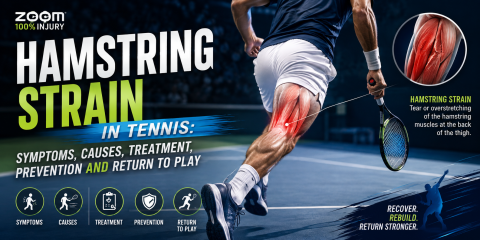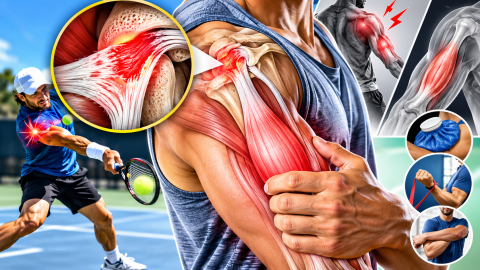
Tennis and pickleball are two of the fastest-growing racket sports in the world today. Both sports are fun, social, competitive, and excellent for physical activity. Pickleball has exploded in popularity because it is easy to learn, requires a smaller court, and allows beginners to rally quickly. Tennis, however, remains the gold standard of racket sports because of its complete combination of athleticism, strategy, tradition, fitness, skill development, and global prestige.
While pickleball is enjoyable for many recreational players, tennis offers a deeper and more rewarding long-term sporting experience. From explosive movement and endurance to mental toughness and technical mastery, tennis challenges the body and mind in ways that few sports can match.
This article explores why tennis is better compared to pickleball in terms of fitness, skill development, competition, athletic growth, global opportunities, equipment variety, and overall sporting legacy.
The Rich History and Prestige of Tennis
Tennis is one of the oldest and most respected sports in the world. It has a history filled with legendary champions, iconic tournaments, and unforgettable rivalries.
The sport features prestigious global events such as:
- Wimbledon
- US Open
- French Open
- Australian Open
These tournaments are watched by millions of fans worldwide and represent the highest level of athletic excellence.
Tennis legends like Roger Federer, Rafael Nadal, Novak Djokovic, and Serena Williams helped elevate the sport into a global cultural phenomenon.
Pickleball, while rapidly growing, still lacks the worldwide prestige, historical depth, and elite international recognition that tennis has built for more than a century.
Tennis Develops Superior Athleticism
One of the biggest reasons tennis is considered better than pickleball is the physical demand of the game.
A full tennis court requires players to:
- Sprint long distances
- Change direction explosively
- Recover quickly
- Rotate the hips and shoulders powerfully
- Maintain endurance for long matches
- Coordinate footwork with timing
Tennis players constantly move in multiple directions while maintaining balance and stroke mechanics.
Tennis Improves:
- Cardiovascular endurance
- Leg strength
- Core stability
- Reaction speed
- Coordination
- Agility
- Explosive movement
Pickleball courts are much smaller, meaning players move less distance overall. While pickleball still provides exercise, the physical intensity is usually lower than competitive tennis.
Many athletes and coaches believe tennis creates more complete athletic development because the sport demands both endurance and explosive power simultaneously.
Tennis Has More Skill Depth
Tennis is extremely technical. Mastering the game can take years because every shot has multiple variations and tactical uses.
Players must learn:
- Forehands
- Backhands
- Volleys
- Overheads
- Serves
- Slice shots
- Drop shots
- Topspin
- Footwork patterns
- Court positioning
- Match strategy
The serve alone is one of the most difficult movements in sports because it combines timing, flexibility, rhythm, power, and precision.
Pickleball is easier for beginners because the paddle is simpler to control and the court is smaller. However, many advanced tennis players argue that tennis provides a far deeper technical challenge over time.
Tennis Rewards Long-Term Discipline
Tennis teaches patience and long-term improvement.
Beginners often struggle early because timing, movement, and consistency take time to develop. However, this challenge becomes one of the most rewarding aspects of the sport.
A tennis player gradually builds:
- Mental toughness
- Strategic thinking
- Competitive confidence
- Shot selection
- Physical resilience
Improvement in tennis feels earned through dedication and repetition.
Pickleball allows players to enjoy rallies quickly, which is great for accessibility. But tennis offers a stronger sense of mastery because the learning curve is more demanding.
Tennis Builds Elite Footwork
Footwork is the foundation of tennis.
Great tennis players constantly adjust their positioning before every shot. Proper footwork allows players to:
- Generate power
- Maintain balance
- Recover faster
- Defend difficult shots
- Attack efficiently
In tennis, players must cover large court spaces while maintaining technique under pressure.
Common tennis movements include:
- Split steps
- Crossover runs
- Shuffle steps
- Recovery steps
- Open stance movement
- Sliding on clay courts
Pickleball movement is shorter and more compact because of the smaller court dimensions.
Tennis therefore develops more advanced lower-body coordination and movement efficiency.
Tennis Offers Greater Variety of Playing Styles
Tennis allows players to create unique identities on court.
Some players dominate with power.
Others rely on speed, spin, defense, or net play.
Examples include:
- Aggressive baseliners
- Serve-and-volley players
- Counterpunchers
- All-court players
- Heavy topspin specialists
The diversity of strategies makes tennis endlessly fascinating.
Professional tennis showcases dramatic contrasts in styles and personalities, creating tactical battles that evolve throughout a match.
Pickleball strategy exists as well, especially around dinking and positioning, but tennis generally offers more variety in shot-making and tactical complexity.
Tennis Provides Better Fitness Benefits
Tennis is often considered one of the healthiest lifetime sports.
Studies consistently show tennis can help improve:
- Heart health
- Bone density
- Muscular endurance
- Weight management
- Mobility
- Mental health
Because tennis involves continuous movement and longer court coverage, calorie burn is typically higher than pickleball.
Competitive singles tennis can become an intense full-body workout combining:
- Sprinting
- Jumping
- Rotational power
- Endurance
- Recovery
Many athletes use tennis training to improve overall conditioning.
Tennis Has Greater Global Reach
Tennis is played professionally across nearly every continent.
The sport has:
- International federations
- Olympic recognition
- Major sponsorships
- Youth academies
- College scholarships
- ATP and WTA tours
Young athletes can pursue:
- Junior tournaments
- National rankings
- College tennis
- Professional careers
Pickleball continues to grow rapidly, especially in North America, but tennis still dominates globally in terms of participation, infrastructure, media coverage, and professional opportunity.
Tennis Creates Stronger Mental Toughness
Tennis is often called a mental chess match.
Players compete alone with no timeouts or coaching during many matches. They must solve problems under pressure while controlling emotions.
Tennis players constantly face:
- Momentum swings
- Long rallies
- Pressure points
- Physical fatigue
- Tactical adjustments
A single point can change the entire match.
This mental challenge develops:
- Focus
- Discipline
- Emotional control
- Confidence
- Decision-making
Pickleball certainly has competitive pressure, but tennis usually demands greater psychological endurance because of longer matches and larger physical demands.
Tennis Equipment Offers More Personalization
Tennis players can customize nearly every aspect of their equipment.
This includes:
- Racket head size
- String tension
- String material
- Grip size
- Weight distribution
- Balance
- Shoe type
Players experiment to match their style and performance goals.
For example:
- Heavy topspin players often prefer polyester strings
- Control-focused players may use tighter tension
- Power players may prefer larger racket heads
Pickleball equipment is improving quickly, but tennis equipment still offers far greater depth and customization options.
Tennis Matches Feel More Dramatic
One reason tennis remains globally popular is the emotional intensity of matches.
The scoring system creates suspense:
- Break points
- Tiebreaks
- Match points
- Momentum changes
A player can recover from difficult situations and completely turn a match around.
Historic tennis rivalries created unforgettable moments because matches often become physical and emotional battles lasting several hours.
Tennis produces cinematic moments that combine skill, endurance, and mental resilience.
Tennis Teaches Better Life Lessons
Tennis teaches many valuable life skills beyond sports.
These include:
- Accountability
- Patience
- Hard work
- Respect
- Problem-solving
- Adaptability
Because tennis players compete individually, they learn to take responsibility for both victories and defeats.
Many coaches believe tennis builds stronger character because the sport forces athletes to manage pressure independently.
Tennis Has More Spectacular Shot Variety
Tennis shots are visually dramatic and technically impressive.
Fans enjoy:
- Heavy topspin forehands
- One-handed backhands
- Diving volleys
- Powerful serves
- Sliding defensive shots
- Drop shots
- Passing shots
- Lobs
Professional tennis showcases incredible athletic creativity.
Pickleball focuses more on controlled placement and shorter exchanges near the kitchen line. Tennis generally produces more explosive and visually spectacular shot-making.
Tennis Courts Offer More Diversity
Tennis is unique because the game changes dramatically depending on surface type.
Major tennis surfaces include:
- Clay
- Grass
- Hard court
- Indoor carpet
Each surface changes:
- Ball speed
- Bounce height
- Movement style
- Strategy
For example:
- Clay rewards endurance and spin
- Grass rewards fast reactions and net play
- Hard courts balance offense and defense
This variety keeps tennis fresh and strategically rich.
Pickleball courts are generally more standardized.
Tennis Has Stronger Professional Pathways
Young athletes who excel in tennis can pursue many opportunities.
These include:
- Scholarships
- Coaching careers
- Sponsorships
- Professional tours
- International competition
College tennis especially provides educational and athletic pathways for many students worldwide.
Tennis infrastructure is far more established compared to pickleball, particularly internationally.
Why Many Former Athletes Prefer Tennis
Athletes from other sports often transition successfully into tennis because it combines many athletic skills:
- Speed
- Timing
- Balance
- Explosiveness
- Hand-eye coordination
Former soccer, basketball, baseball, and track athletes often enjoy the physical challenge tennis provides.
Many players feel tennis gives a more complete athletic experience compared to pickleball because the larger court rewards movement and endurance.
Pickleball Still Has Strengths
Although tennis offers many advantages, pickleball remains an excellent sport for many people.
Pickleball is:
- Easier for beginners
- Social and community-focused
- Less physically demanding
- Accessible for older players
- Quick to learn
For recreational enjoyment and casual fitness, pickleball is fantastic.
However, for players seeking deeper athletic development, higher physical intensity, advanced technical growth, and worldwide sporting prestige, tennis usually provides a more complete experience.
Tennis Creates Lifelong Passion
One reason tennis remains beloved worldwide is the emotional connection players develop with the sport.
Tennis becomes more than exercise.
It becomes:
- A personal challenge
- A mental battle
- A fitness journey
- A technical craft
- A lifelong passion
Every improvement feels meaningful because the sport is demanding.
The journey from beginner to advanced player creates confidence and personal growth that many athletes deeply value.
Final Thoughts
Pickleball is a fun and rapidly growing sport that introduces many people to racket games and social competition. It deserves respect for its accessibility and inclusive nature.
But tennis remains the superior overall sport for many athletes because it offers:
- Greater athletic development
- Deeper technical mastery
- Better fitness benefits
- More tactical complexity
- Rich global history
- Stronger professional pathways
- Higher physical challenge
- More dramatic competition
Tennis pushes players mentally, physically, and emotionally. It rewards discipline, movement, patience, creativity, and resilience.
That is why tennis continues to stand as one of the greatest and most respected sports in the world.