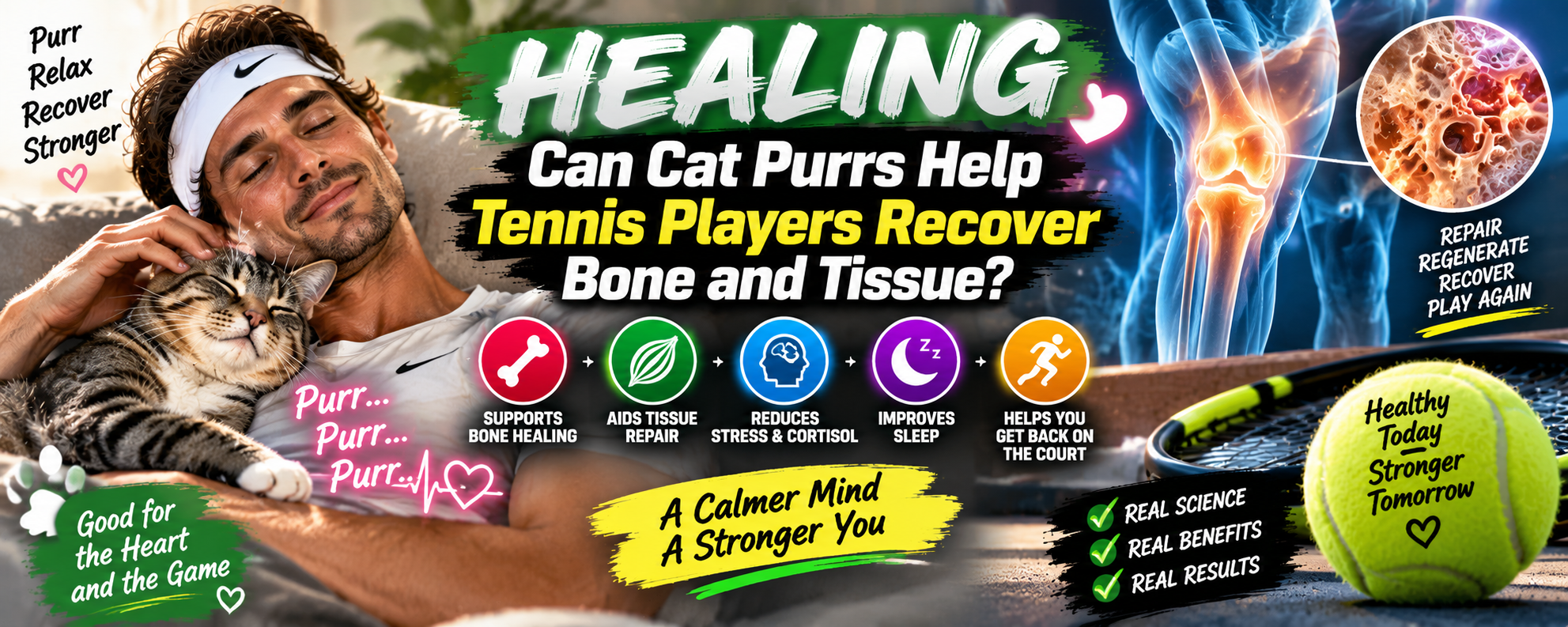
A tennis health blog exploring cat purr frequencies, bone healing, and recovery after injury.
Quick Overview
Could the gentle vibration of a cat's purr help a tennis player recover from a bone injury, tendon strain, or muscle damage?
Cat purrs commonly fall within approximately 20–150 Hz, a frequency range that overlaps with some forms of vibration therapy studied in medicine.
But there is an important distinction: A frequency match does not prove a healing effect. There is no established clinical evidence that sitting beside a purring cat can repair a human fracture or regenerate damaged tendon tissue.
For tennis players, the real opportunity is understanding how vibration, exercise, nutrition, and rest influence recovery—and where the science of cat purrs fits into that picture.
1. What Is a Cat Purr Frequency?
A cat's purr is a rhythmic sound and vibration produced by the cat's vocal system. Many domestic cat purrs are reported in the approximate range of 20–150 Hz, although the frequency varies between cats and circumstances.
Why does this interest scientists?
Some mechanical vibration therapies use low-frequency mechanical signals to study how the body responds to loading. Bone and other tissues can respond to mechanical forces, but the response depends on several factors:
-
Vibration frequency.
-
Intensity and amplitude.
-
Duration of exposure.
-
How the vibration reaches the body.
-
The condition of the bone or tissue.
-
The person's overall health.
A cat purring on your lap and a medically designed vibration device are not equivalent treatments.
The key lesson: The same frequency does not mean the same biological effect.
2. Can Cat Purrs Heal Broken Bones?
A tennis player with a stress fracture may wonder whether relaxing with a purring cat could help the bone heal faster.
At present, that is not an established treatment.
How bone healing actually works
When a bone is fractured, the body begins a biological repair process:
-
Inflammation: Blood vessels and immune cells respond to the injury. A blood clot forms around the fracture.
-
Soft callus formation: Fibrous tissue and cartilage help bridge the injured area.
-
Hard callus formation: New bone develops and strengthens the repair.
-
Remodeling: The bone gradually reshapes and adapts to mechanical demands.
These stages are controlled by biological processes involving bone cells, blood supply, mechanical stability, and other factors.
Where do cat purrs fit?
The possibility that vibration could influence bone cells is scientifically interesting. However, there is no proven clinical protocol using cat purrs to accelerate fracture healing.
A purring cat should never replace:
-
Medical assessment of a suspected fracture.
-
Imaging when indicated.
-
A doctor's weight-bearing instructions.
-
Immobilization or other prescribed treatment.
-
Follow-up appointments.
3. Cat Purrs and Tendon or Muscle Tissue Recovery
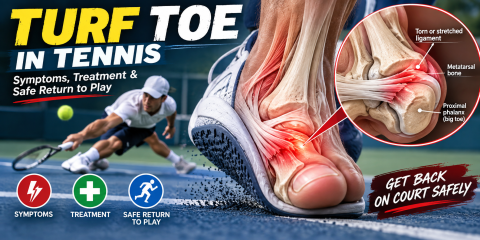
Tennis involves repeated loading of muscles, tendons, ligaments, and joints. Players commonly experience problems involving the elbow, shoulder, wrist, knee, and ankle.
Examples include:
-
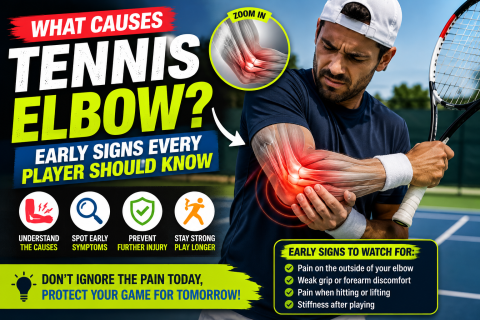
Tennis elbow and other elbow tendinopathies.
-
Rotator cuff and shoulder tendon injuries.
-
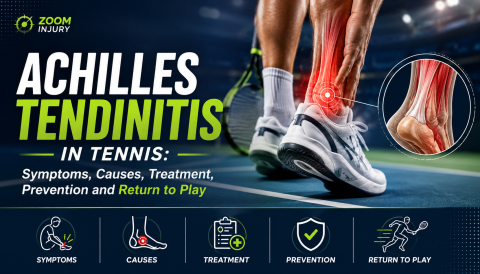
Achilles tendon problems.
-
Muscle strains.
-
Ligament sprains.
Does purring repair damaged tendons?
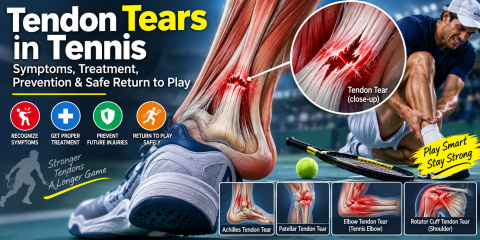
There is no established evidence that exposure to a cat's purr repairs torn tendons, regenerates damaged muscle, or restores injured ligaments.
Tendon recovery often requires a carefully managed progression of loading. Depending on the injury, treatment may involve physical therapy, movement modification, strength training, and time.
A purring cat may provide comfort during recovery, but it should not be described as a tissue-repair treatment.
Why vibration research is still interesting
Researchers study mechanical stimulation because cells and tissues can respond to physical forces. However, research involving specialized vibration devices cannot automatically be applied to ordinary household sounds.
|
Cat purr |
Medical vibration therapy |
|---|---|
|
Natural sound and vibration |
Deliberately controlled mechanical stimulation |
|
Frequency varies |
Frequency can be selected |
|
Intensity varies with the cat and contact |
Device output can be measured |
|
No established bone-healing protocol |
Used in specific research or clinical contexts |
|
Relaxation may be a benefit |
Intended biological or rehabilitation effects depend on the treatment |
4. Could a Cat's Purr Help You Relax After Tennis?
This is where the idea becomes more practical.
After a demanding tennis match, a player may experience physical fatigue and mental stress. Spending time with a calm, purring cat can be a pleasant way to unwind.
Possible wellness benefits
Pet companionship may help some people feel calmer and more emotionally supported. Some studies have explored relationships between human–animal interaction, stress, and cardiovascular measures.
However, findings vary by study and individual circumstances. It is not accurate to promise that petting a cat will lower cortisol or blood pressure in every person.
Relaxation is not the same as bone regeneration.
A comfortable recovery environment may support your overall well-being, but the fracture or tendon still needs appropriate medical care.
5. What Tennis Players Should Do to Support Bone Recovery
If you want to recover your bones and tissues after tennis, focus on established recovery principles.
1. Get the injury assessed
Persistent pain after repeated tennis sessions may indicate more than ordinary muscle soreness.
A stress fracture, for example, can worsen if a player continues running and jumping through pain.
Seek medical assessment if you have:
-
Localized bone pain.
-
Pain that worsens with weight-bearing.
-
Pain that persists at rest or at night.
-
Swelling or tenderness over a specific bone.
-
Difficulty walking or playing normally.
2. Follow the right loading program
Bones, muscles, and tendons adapt to mechanical stress, but the right amount of stress depends on the injury.
For a confirmed fracture, follow the clinician's instructions regarding activity and weight-bearing.
For tendon injuries, a rehabilitation professional may prescribe progressive strengthening and other exercises.
Do not use a cat's purr, a vibration plate, or additional training as a substitute for a prescribed recovery plan.
3. Eat for recovery
Bone and tissue repair require adequate energy and nutrients.
Important nutritional considerations include:
-
Protein: Supports muscle and tissue maintenance.
-
Calcium: Important for bone structure.
-
Vitamin D: Supports calcium absorption and bone health.
-
Overall calories: Insufficient energy availability can impair recovery and bone health.
-
Fruits and vegetables: Contribute vitamins, minerals, and other nutrients.
A balanced diet is more relevant to bone health than listening to a particular sound frequency.
4. Sleep and rest
Recovery continues between tennis sessions.
A regular sleep schedule and sufficient sleep support physical recovery, energy, and training readiness.
If your body is repeatedly telling you that it needs rest, do not ignore that signal.
5. Return to tennis gradually
A safe return to tennis should be based on the injury, symptoms, physical function, and medical guidance when appropriate.
For a fracture, returning to sprinting and hard-court cutting before the bone is ready can increase risk.
For tendon problems, a gradual increase in load is often important.
6. Cat Purr Frequencies vs. Human Vibration Therapy
The scientific question is not simply whether the frequency is similar. It is whether the body receives a specific mechanical stimulus in a way that produces a reproducible biological response.
Important scientific distinction
A study involving a vibration device might examine:
-
Bone mineral density.
-
Muscle activity.
-
Balance.
-
Pain.
-
Physical function.
-
Tissue response.
Even if a study reports a benefit from a particular device, that result does not prove that a cat's purr has the same effect.
The vibration may differ in intensity, transmission, waveform, duration, and the area of the body receiving it.
What about 20–50 Hz?
Some vibration research has explored frequencies in this range. But there is no single frequency that universally heals bones or tissues.
A frequency of 30 Hz, for example, does not automatically mean a fractured ankle will heal faster.
Frequency alone is not a medical treatment.
7. Can a Purring Cat Improve Your Tennis Recovery Routine?
Here is a realistic way to include a cat in a recovery day.
A peaceful recovery routine
Comfort and recovery—not a medical treatment.
-
After tennis: Stop intense activity if pain suggests an injury.
-
Hydrate and eat: Have a balanced meal or snack.
-
Follow your treatment plan: Use prescribed rehabilitation, rest, or medical care.
-
Relax with your cat: Spend a few quiet minutes petting a comfortable, willing cat.
-
Sleep well: Give your body time to recover.
The cat can be part of your emotional recovery environment. The actual healing of bone and tissue still depends on biological repair and appropriate care.
8. Common Questions About Cat Purrs and Bone Healing
Can cat purrs heal a stress fracture?
There is no established clinical evidence that cat purrs heal human stress fractures. A suspected stress fracture should be evaluated by a healthcare professional.
Is 25 Hz the best frequency for bone healing?
No. There is no proven universal healing frequency for human bones. Research on vibration devices cannot be directly applied to cat purrs.
Can purring help tennis elbow?
A cat's purr has not been established as a treatment for tennis elbow. Appropriate assessment, load management, and rehabilitation are more relevant.
Is petting a cat good for recovery?
Petting a cat may help some people relax and enjoy companionship. It should not be presented as a treatment for damaged bone, tendon, or muscle.
Can vibration therapy replace physical therapy?
No. Vibration-based treatments, when used clinically, are not a universal replacement for individualized rehabilitation. Whether any particular therapy is appropriate depends on the condition and evidence.
Can I play tennis if I have bone pain?
Do not play through suspected fracture pain. Seek assessment, particularly if pain is localized, worsening, or affecting walking or weight-bearing.
9. The Bottom Line for Tennis Players
Cat purrs are one of nature's fascinating examples of sound and vibration. Their reported frequency range overlaps with frequencies investigated in some forms of mechanical vibration research.
But the overlap is not proof of a healing effect.
For tennis players, the most reliable approach to bone and tissue recovery remains:
-
Identify the injury correctly.
-
Follow medical guidance when needed.
-
Progress rehabilitation appropriately.
-
Eat enough to support recovery.
-
Prioritize sleep and rest.
-
Return to tennis gradually.
And if you have a cat, enjoy the purring. It may be a wonderful companion during your recovery journey—even though it is not a proven fracture-healing therapy.
Medical Disclaimer
This article is for educational purposes only and is not medical advice. Cat purr frequencies have not been established as a treatment for human fractures, stress fractures, tendon tears, or muscle injuries. If you have significant pain, swelling, or suspected bone damage, consult a qualified healthcare professional.