For a tennis player, consistency in resistance training isn't just about general health—it's the ultimate competitive edge and longevity hack for the court. Here is exactly how the points in your text translate to better, longer tennis:
1. Bone Density = Court Resilience
Tennis is a high-impact, high-acceleration sport. Every sudden stop, sharp lateral cut, and explosive serve places immense torsional stress on your hips, spine, and wrists. By maintaining that peak bone mineral density through compound lifts (squats, deadlifts), you are literally reinforcing the chassis that absorbs the pounding of hard courts. Stronger bones mean you can play multiple sets in a weekend without developing stress fractures or joint pain.
2. Muscular Support = Injury Prevention (The "Balance" Factor)
You rightly highlighted that stronger muscles prevent falls. In tennis, "falls" translate to rolled ankles, hyperextended knees, and strained shoulders.
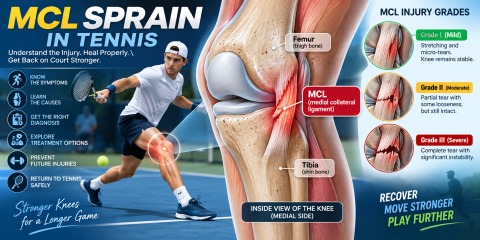
Resistance training builds the dynamic stabilizers—the glute medius, the rotator cuff, and the core. These muscles keep your pelvis level during wide lunges and protect your rotator cuff during heavy serving. The 2–3 times weekly routine acts as an insurance policy against the non-contact ACL tears and chronic tendinopathies that end careers.
3. Progressive Overload = Explosive Power
Tennis isn't just about strength; it's about rate of force development. When you progressively overload (gradually adding weight), you aren't just getting bulky—you are increasing your neuromuscular efficiency. This translates directly to a heavier ball on your groundstrokes, faster first-step acceleration to drop shots, and more pop on your flat serves.
4. A Tennis-Specific "Consistency" Strategy
To apply your "consistency" rule without burning out on the court:
- In-Offseason (or early prep): Lift heavy (3x/week) to build the foundation.
- In-Season (during match play): Drop to 2x/week, but use maintenance loads (70-80% of your max). The goal shifts from building bone to reminding your skeleton to stay dense, while keeping your CNS fresh for matches.
- Unilateral Work: Because tennis is one-sided, add single-leg deadlifts and split squats to your routine. Correcting left/right imbalances prevents overuse injuries in your dominant hip and shoulder, keeping you swinging freely into your 50s and 60s.
5. Don't forget the "Court Fuel"
Pair your lifting with your holistic points: tennis players sweat out vast amounts of calcium and electrolytes. Getting that Vitamin D and calcium post-workout isn't just for bones—it aids muscle contraction and nerve firing, meaning your serve stays sharp late in the third set. Cut the alcohol and reduce sitting to keep your hip flexors loose and your recovery high.
Ultimately, lifting weights 2–3 times a week, rain or shine, builds the resilient frame that lets you focus on what matters: outlasting your opponent in the rally and staying injury-free so you can enjoy the sport for a lifetime. Keep treating the gym as your "off-court practice," and you'll be beating younger players with wisdom and power well past your prime. Great mindset!